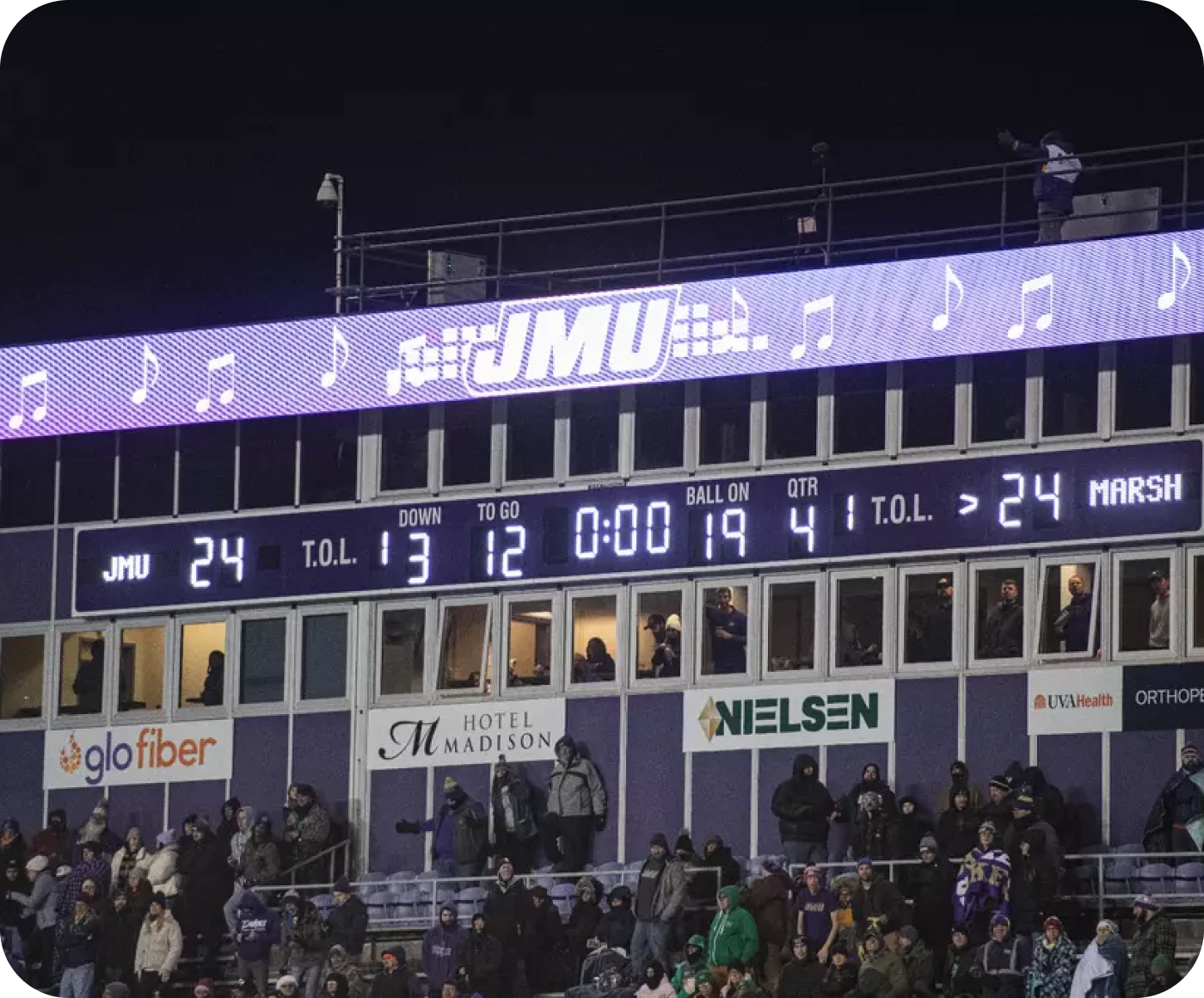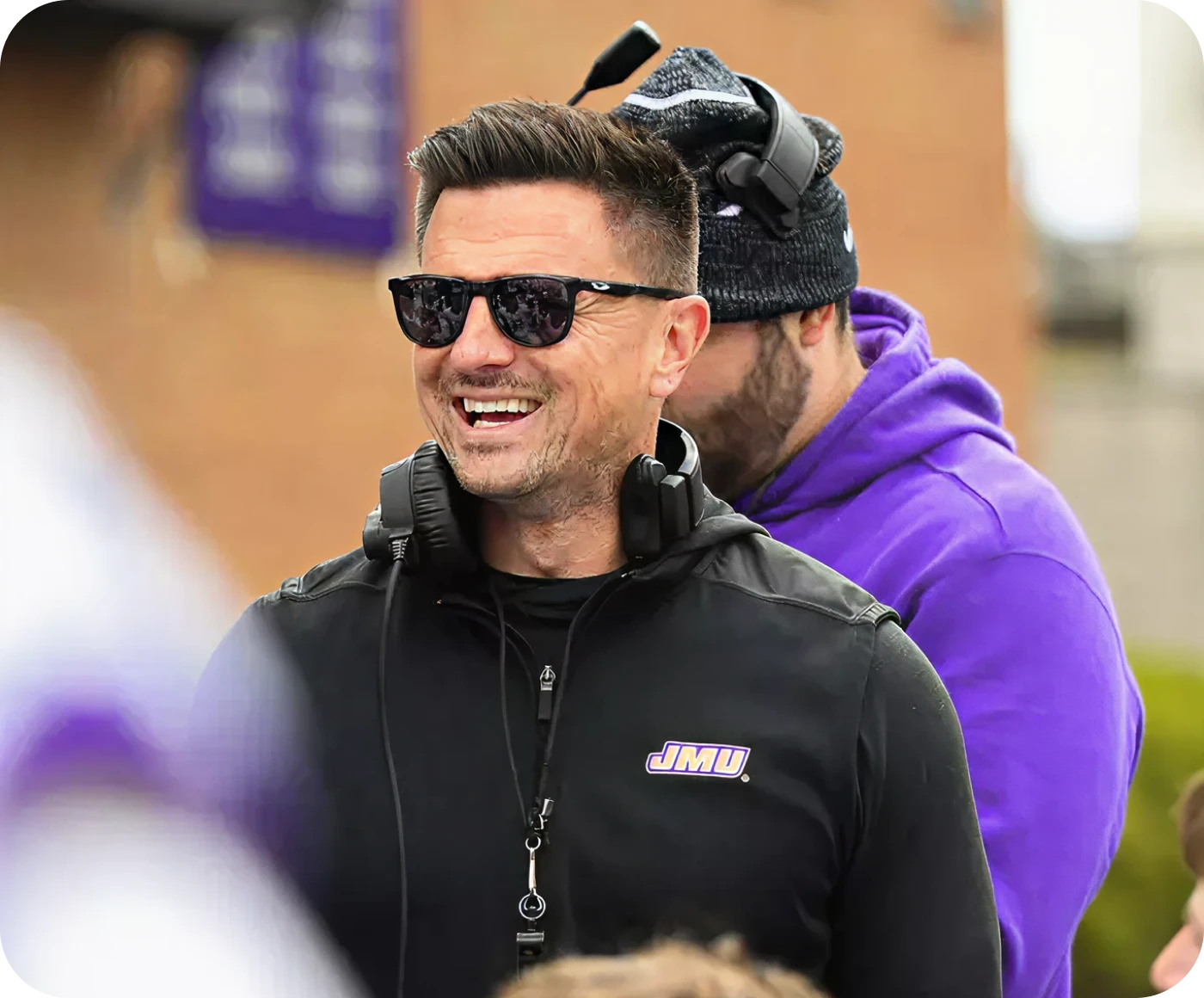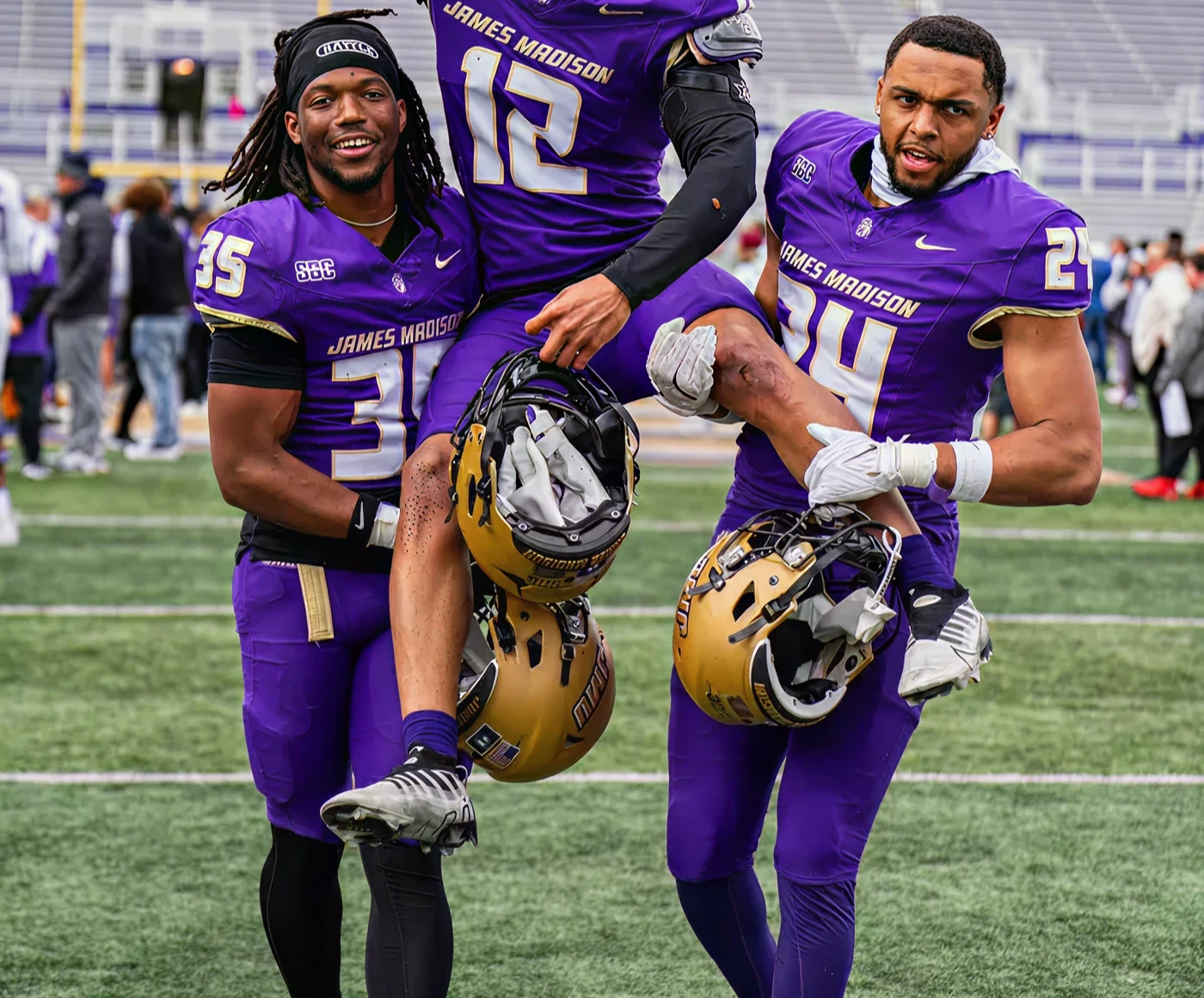
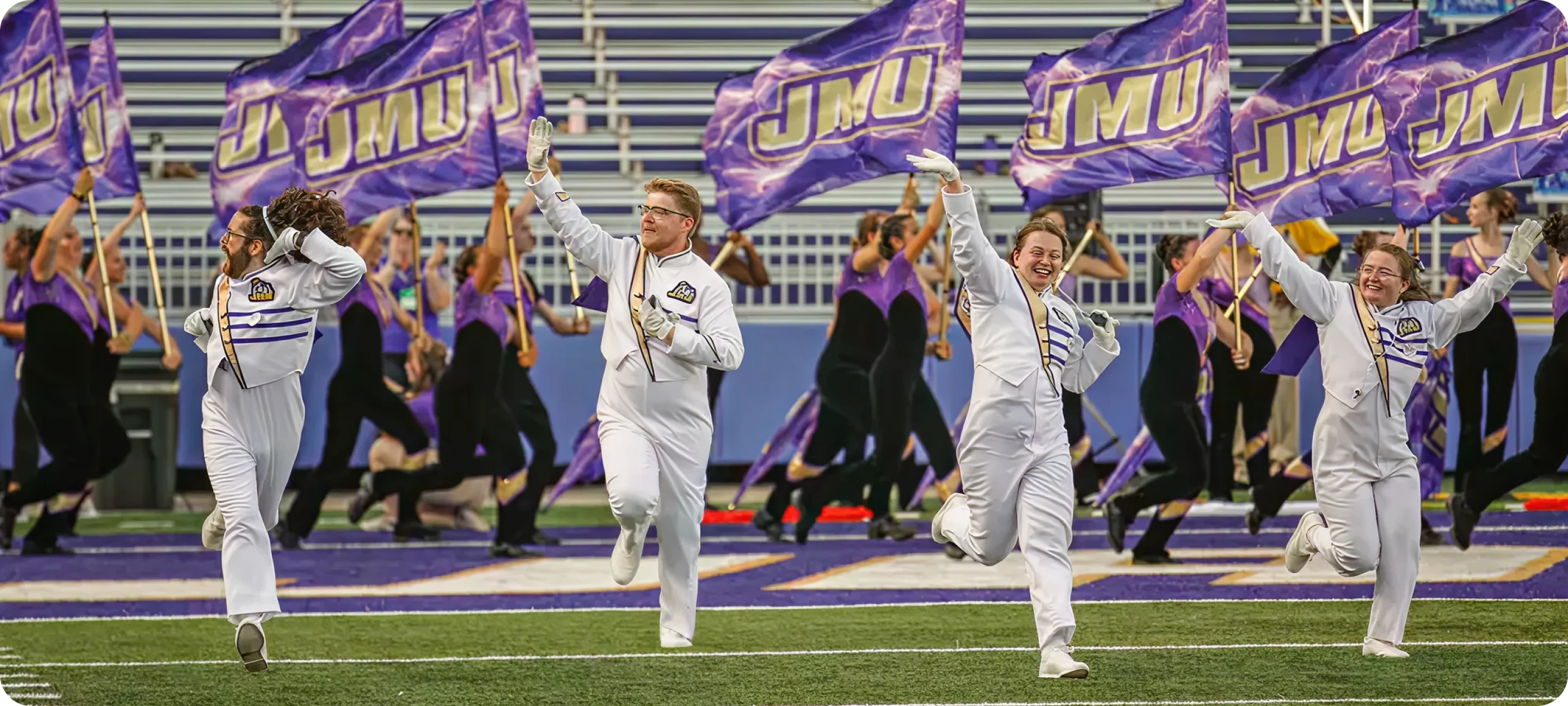
Game‑day at James Madison University is electric. The energy, the noise, the unity—it’s unforgettable. But for JMU football alumni, game‑day memories aren’t just about competition. They’re about brotherhood, leadership, and transformation. These moments on the field shape who these athletes become long after the last whistle. And today, many alumni are passing that legacy forward through mentorship. This blog explores how game‑day experiences evolve into meaningful guidance for the next generation.
Reliving the gridiron: Game‑day memories that unite alumni
For former Dukes, game‑day memories are etched in emotion—the rush of running out of the tunnel, the clutch plays, the sideline bonds, and the roar of the crowd. These memories represent more than sport; they’re a cornerstone of identity. They create a shared language that binds generations of players, no matter when they wore the purple and gold. The JMU football alumni community thrives on these memories, which continue to inspire, connect, and define what it means to be a Duke.
The transition: From players to mentors
After the final play, the story continues. Many JMU football alumni become mentors, guiding student‑athletes on everything from career planning to mental resilience. They draw on their own game‑day experience—the intensity, preparation, and teamwork—to mentor current players through programs that encourage leadership development and life skills. This isn’t just support—it’s legacy in motion. The same discipline that fueled their performance now powers their guidance as mentors.
What mentorship looks like: Realizing legacy through action
Mentorship is more than conversations. It’s a relationship built on experience. Alumni help athletes recognize how skills like resilience, time management, and teamwork apply beyond football. They teach student‑athletes how to articulate these traits in interviews, resumes, and personal branding. Whether discussing a key game or a career decision, alumni use football as a framework for life lessons. Through structured mentorship programs and informal connections, they help shape the path forward for today’s Dukes.
Why this legacy matters for the JMU alumni community
The impact of game‑day doesn’t end with the scoreboard. When alumni mentor current players, they breathe life into the legacy of the JMU football alumni community. It becomes a living, growing force. This engagement strengthens bonds across generations, reinforces the university’s culture of excellence, and ensures that the values learned on the field—discipline, leadership, perseverance—remain part of the institution’s fabric. For student‑athletes, mentorship provides clarity and confidence as they prepare for life after football. For alumni, it’s a meaningful way to stay connected and make a difference.
Making the most of the opportunities: For alumni and for athletes
Alumni can reflect on their own journey—those pivotal game‑day moments that shaped who they are—and channel them into mentorship. Whether it’s offering career advice, participating in alumni events, or joining formal mentorship programs, every bit of involvement strengthens the community.
For current athletes, engaging with alumni is a strategic move. It opens doors, provides insight, and creates a roadmap for future success. By embracing mentorship, student‑athletes gain more than support—they gain wisdom forged through the same experiences they’re living today.
Conclusion
At JMU, game‑day isn’t just a moment. It’s a memory that becomes a legacy. And through mentorship, that legacy lives on in every athlete, every conversation, every connection. From locker room lessons to life-changing advice, JMU football alumni continue to shape the program and its people long after the game is over. It’s a brotherhood, a tradition, and a purpose that transcends the gridiron.
FAQs
Q: What is mentorship like within the JMU football alumni community?
A: It’s rooted in shared experience. Alumni provide guidance on careers, leadership, and personal growth, often drawing from their time as student‑athletes.
Q: Why are game‑day memories important to mentorship?
A: They provide relatable stories and insights. Alumni use real game‑day moments to teach valuable life and leadership lessons to current players.
Q: How can alumni get involved?
A: Alumni can engage by mentoring student‑athletes, attending alumni events, sharing experiences, and participating in community programs.
Q: What’s the benefit for student‑athletes?
A: Mentorship helps them prepare for life after college, understand the value of their athletic experience, and make strategic career decisions.
Q: How does this strengthen the JMU football alumni community?
A: It builds a bridge between generations, deepens the program’s legacy, and ensures that the values of JMU football continue beyond the field.