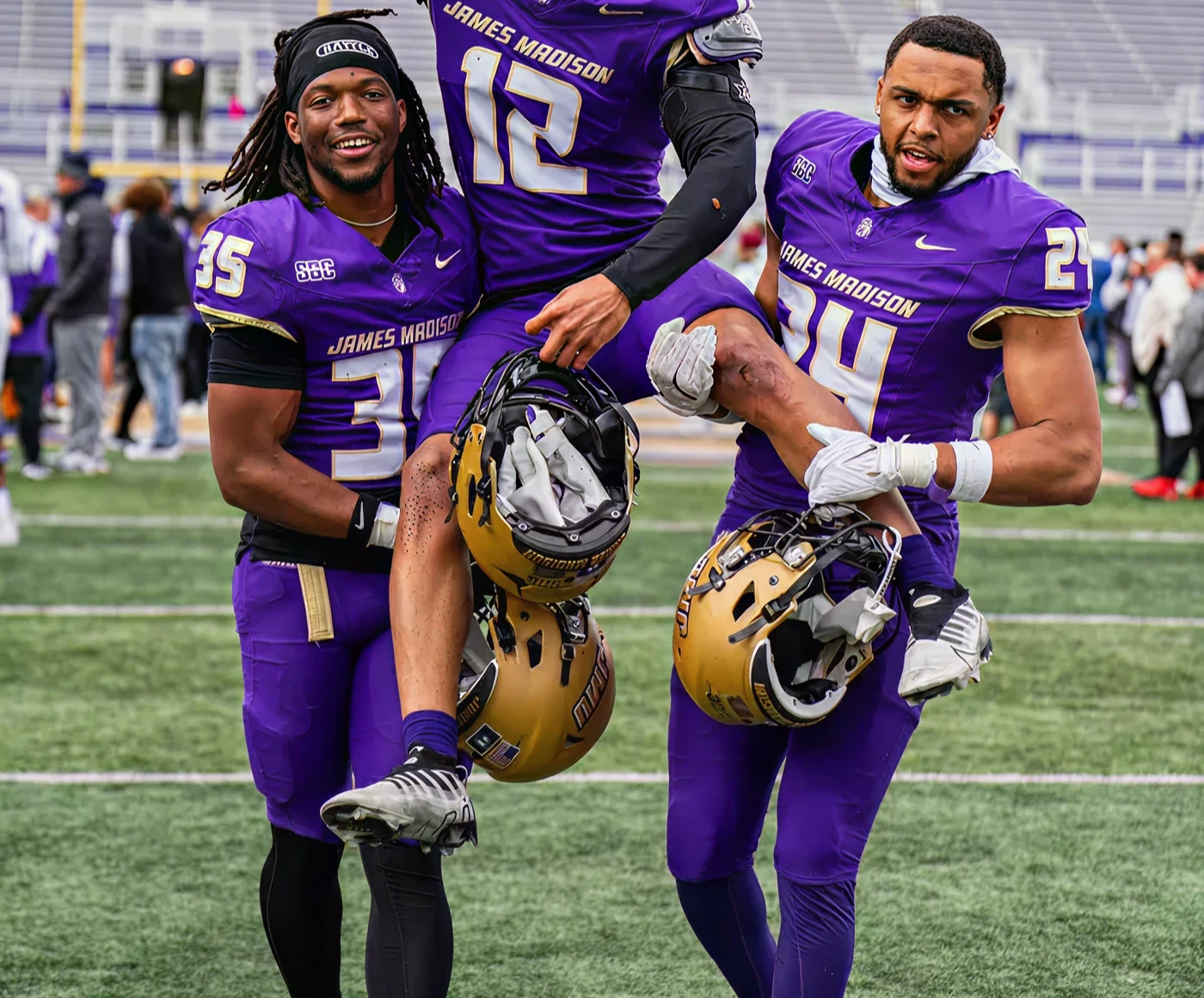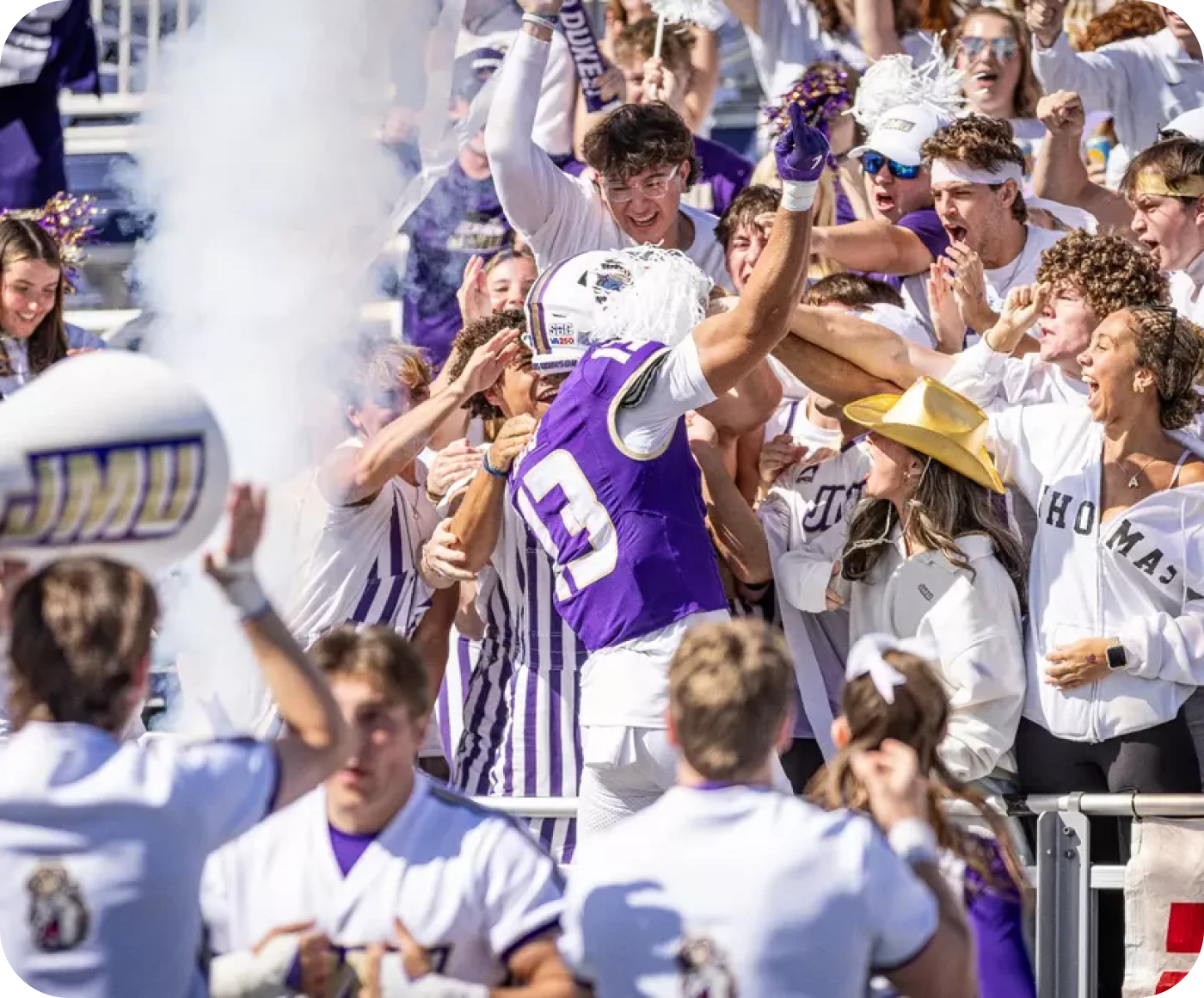
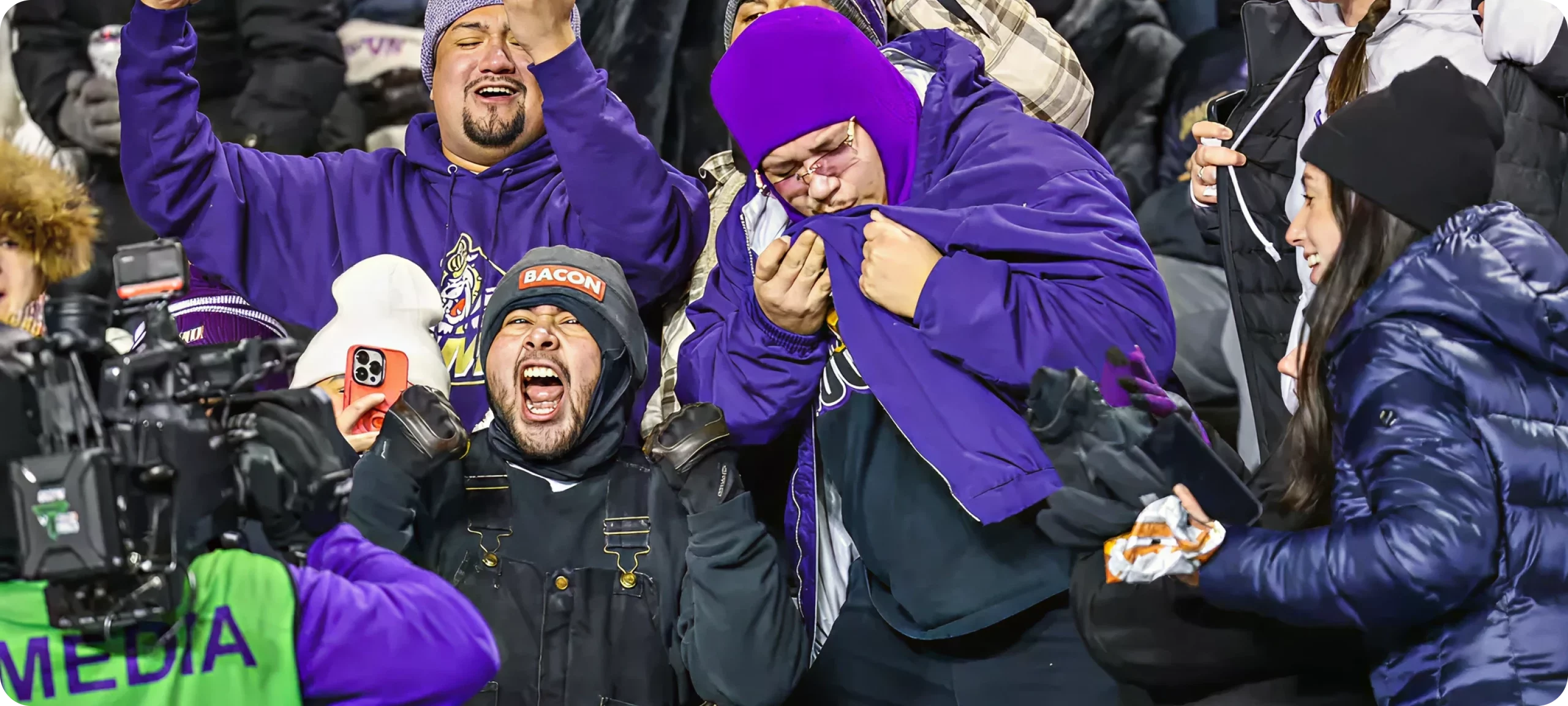
For the James Madison Dukes, the night began full of promise. Building a 17‑0 lead, the Dukes looked primed to close their season strong at home. But then the momentum shifted, and what followed was one of the most heart‑wrenching finishes of the season—a double overtime defeat at the hands of the Marshall Thundering Herd, 35‑33. The game was a roller‑coaster of emotions, and though the result stings, it also revealed much about this team’s character.
Dominant start by JMU
The Dukes came out flying. Their offense executed early drives, mixing the run and pass effectively, and they forced Marshall into mistakes. By halftime, they had a comfortable 17‑0 lead. The run game was strong, the defense held tough, and everything seemed to be aligning. JMU controlled the tempo, the field position, and the narrative.
Marshall claws back
But the Thundering Herd weren’t done. Marshall mounted a comeback spearheaded by favorable field position, big plays, and a momentum shift that changed the game’s tone. In the third quarter, they tied it up—two touchdowns in seven seconds. Suddenly the Dukes’ lead evaporated. The fourth quarter brought more back‑and‑forth drama: JMU retook the lead, but Marshall answered to force overtime.
Overtime heartbreak
In the first overtime, both battled faintly but traded scores, leaving the game wide open. In the second overtime, JMU grabbed the lead with a touchdown pass from Alonza Barnett III to Wayne Knight, but missed the two‑point conversion that would have iced the game. On Marshall’s possession, a 10‑yard run set up a two‑point play that they converted to win the game. The final 35‑33 scoreline stung deeply.
What went right—and what didn’t
There’s much to admire in the Dukes’ effort: they out‑gained Marshall overall, ran the ball with authority for much of the night, and showed resilience even when the momentum turned. Yet, key moments slipped away: turnovers, big plays allowed, and a missed two‑point conversion in double overtime all tipped the balance. Football often comes down to these small margins.
What this means moving forward
For JMU, this loss is a tough pill to swallow, but not one without value. The talent is there—the execution early in the game showed the potential. What remains is closing out games, maintaining momentum when the tide turns, and converting opportunity into victory. The Dukes head into the postseason wiser, battle‑tested, and motivated.
Conclusion
The scoreboard shows 35‑33 in favor of Marshall. The Dukes leave the field defeated, but not defeated in spirit. The game will sting, it will linger, but it will also serve as fuel. The journey continues beyond this night. This one will hurt—but it can also serve as the spark that drives the Dukes upward in the next chapter.
FAQs
Q: What was the final score of the game?
A: JMU lost to Marshall 35‑33 in double overtime.
Q: What led to JMU’s strong start?
A: The Dukes jumped out to a 17‑0 lead early thanks to effective offensive drives and strong run‑game execution.
Q: How did Marshall force the game into overtime?
A: Marshall tied the game with two quick scores late in the third quarter and then matched JMU in the fourth, forcing overtime.
Q: What happened in overtime that decided the result?
A: In the second overtime JMU scored a touchdown but missed the two‑point try; Marshall then scored and succeeded on a two‑point conversion to win.
Q: What can JMU take away from this loss?
A: The Dukes showed resilience, talent and capability, but must tighten execution in late game‑moments, improve situational consistency, and convert leads into wins.